In modern industrial building envelope systems, wall structures significantly influence wind resistance, waterproof performance, construction efficiency, and architectural appearance.
Traditionally, purlin-based systems have been widely adopted, where purlins act as key secondary structural members connecting wall panels to the primary steel frame
. With continuous development in insulation materials, joint engineering, and structural analysis tools, purlin-less systems have become a reliable and widely applied alternative.
This article provides a technical comparison between the two systems.
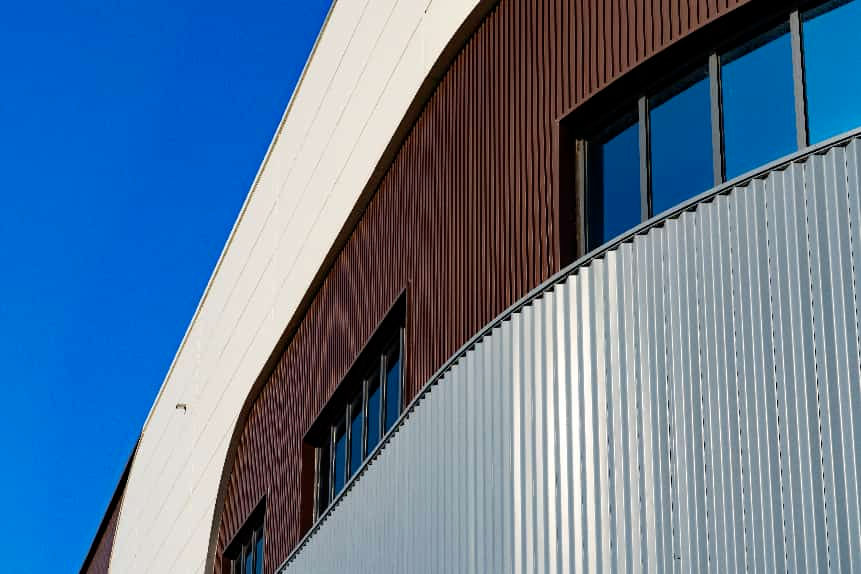
In a purlin-less system, wall panels are directly fixed to structural columns using through-fasteners.
Key characteristics:
Reduced number of joints and fasteners
Improved system airtightness
Lower risk of water leakage
However, longer panel spans require high-stiffness core materials such as structural rock wool to control deflection.
In a purlin-based system, wall panels are fixed to purlins using concealed fasteners at tongue-and-groove joints.
Performance depends on:
Joint engagement quality
Sealing and installation precision
System-level detailing
Advanced joint systems (such as staggered support profiles and reinforced sealing pads) can significantly improve wind and water resistance.
High wind / high rainfall regions, limited openings, column spacing ≤ 8m → Purlin-less system preferred
Large column spacing or high façade opening density → Purlin-based system preferred
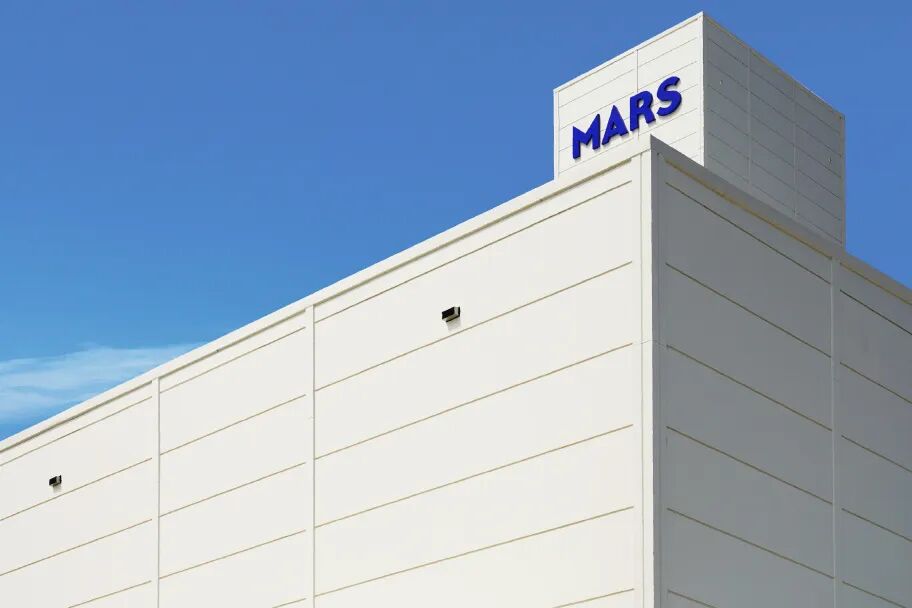
Eliminates purlin installation
Reduces construction steps
Shortens project timeline
Lower on-site labor demand
Requires sequential purlin installation
Higher installation workload
Longer construction duration
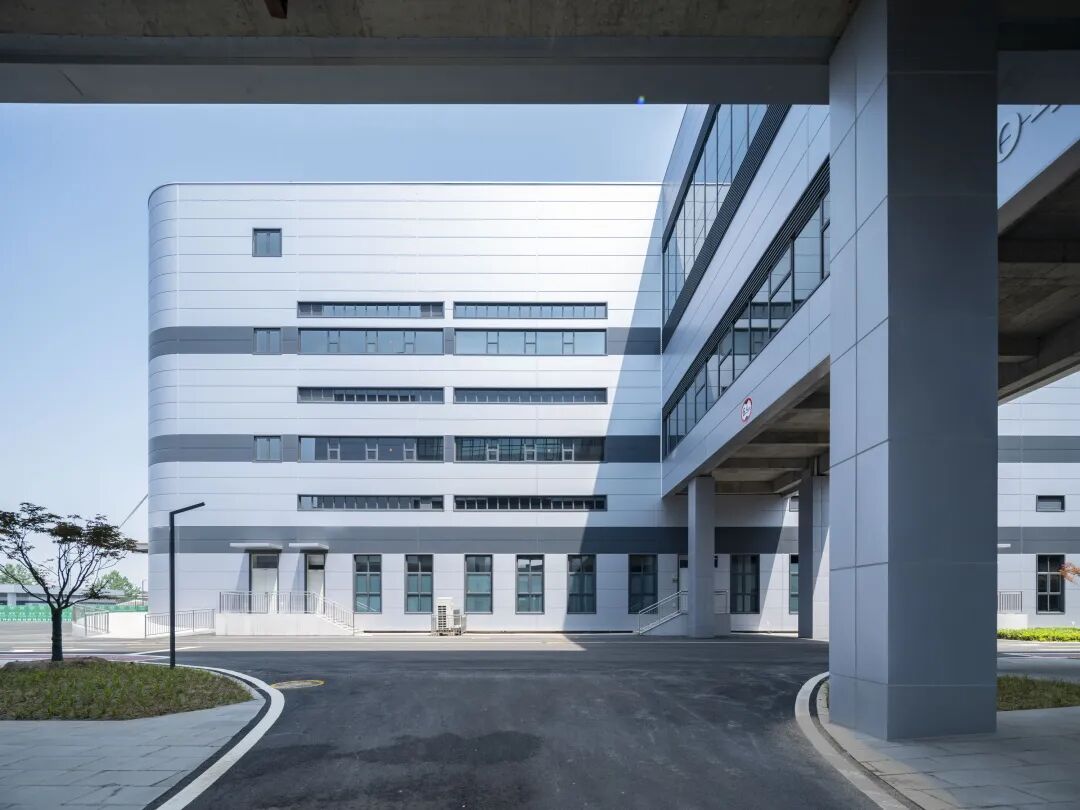
Smooth interior surface without exposed structural members
Clean and minimal architectural appearance
Interior may expose purlins without liner panels
Allows greater flexibility in exterior façade design
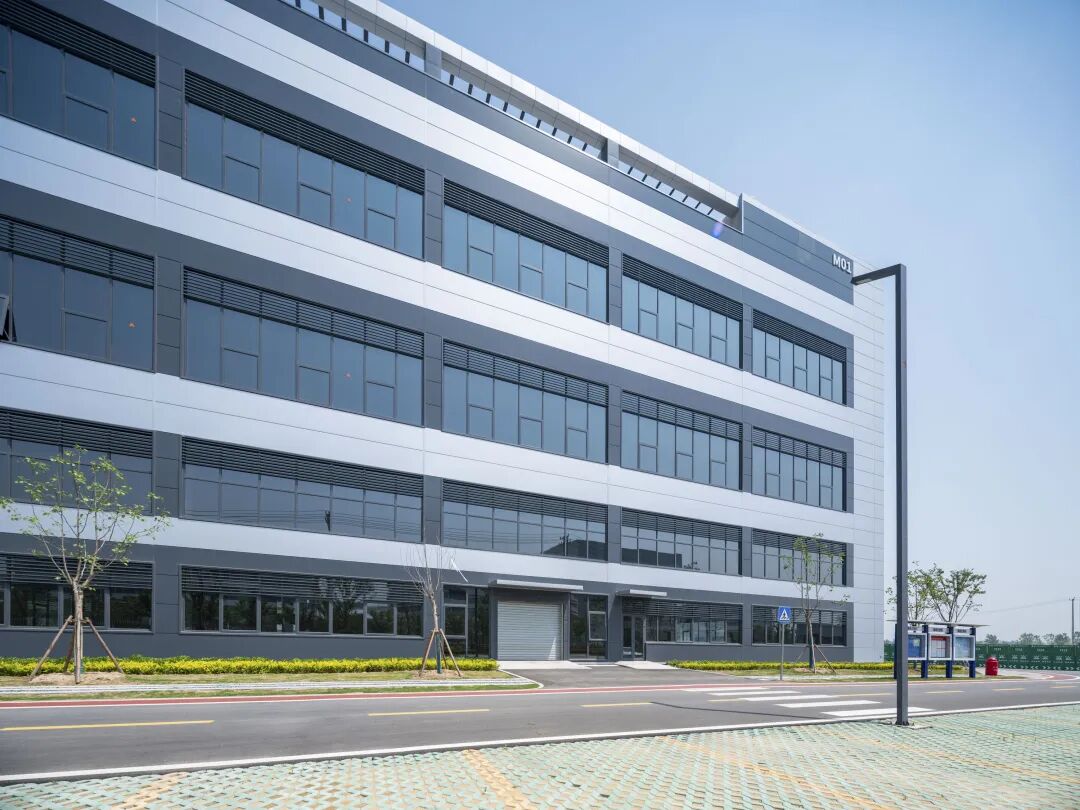
Purlin-Based System: flexible design, suitable for large spans (≤12m), and diverse façade expressions
Purlin-Less System: efficient installation, clean interior appearance, ideal for fast-track projects
Selection should be based on:
Wind load requirements
Column spacing
Opening distribution
Construction schedule
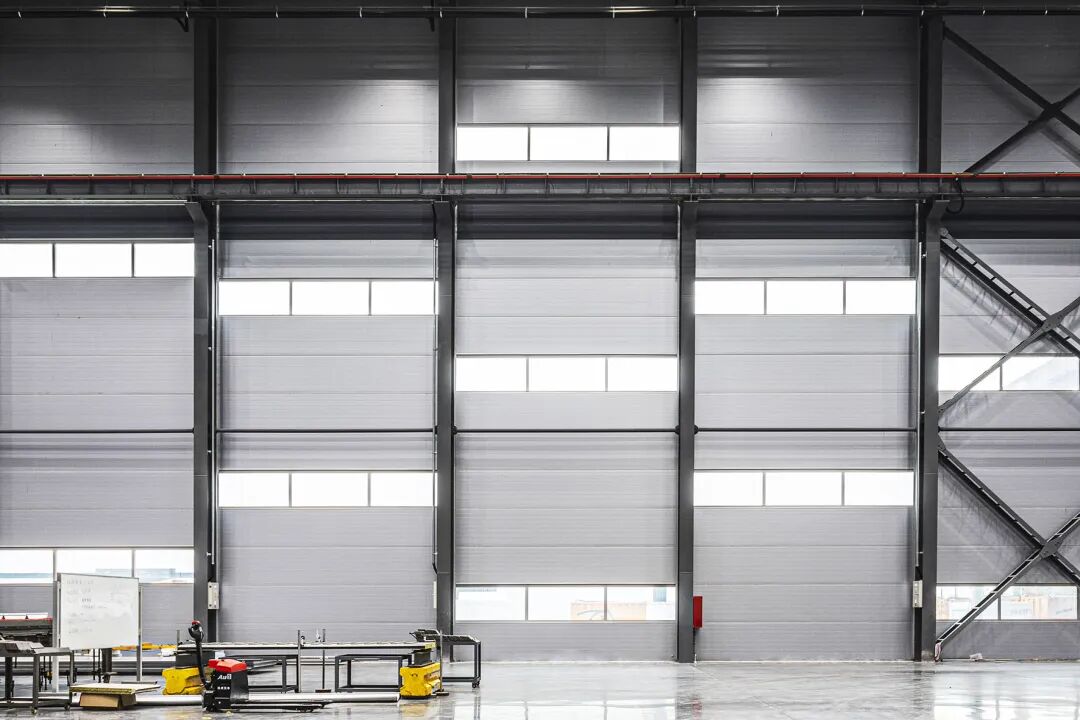
Wiskind provides mature solutions for both purlin-based and purlin-less wall systems, with extensive application experience in global industrial projects.
These systems have been successfully implemented in manufacturing plants, cold storage facilities, and industrial complexes, delivering optimized performance in structural efficiency, thermal insulation, and architectural quality.



Sweep Code Concern
Click: Here-
Join us

Copyright © Wiskind Architectural Steel. All Rights Reserved Lu ICP prepared 11034856



QR Code



Applet


Sweep Code Concern
Click: Here-
Join us